
Sourcing Portable Blenders with Replaceable Batteries for the EU
Industry Insights · 2026/11/1 · 28 views
Source CEOOL portable blenders with user-replaceable battery packs. Explore six models and plan EU 2027 replacement arrangements.
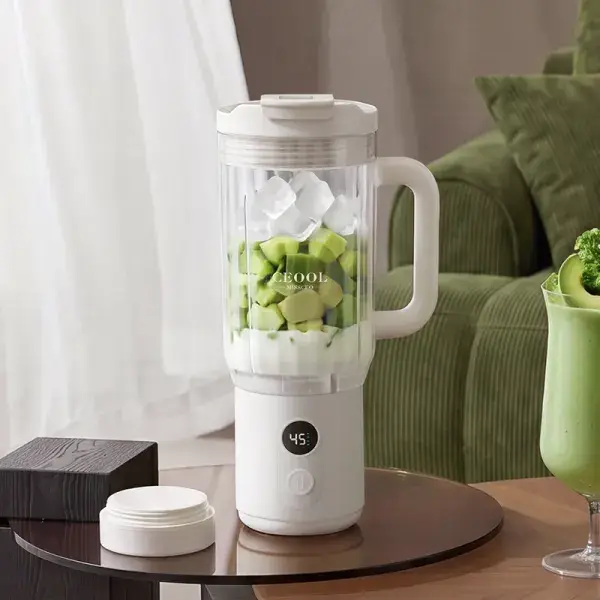
When sourcing rechargeable portable blenders for the EU market, buyers need to consider how the battery will be replaced as well as blending performance, cup construction and purchase price. A clear replacement arrangement helps brands plan after-sales service and keep an otherwise functional blender in use when its battery needs replacing.
Article 11 of Regulation (EU) 2023/1542 applies from 18 February 2027. Its general rule is that portable batteries incorporated into products must be readily removable and replaceable by the end user, subject to applicable exceptions. EU importers and private label brands should review the selected design before approving an order. [EU Batteries Regulation, Articles 11 and 96]
Sourcing CEOOL Portable Blenders for Your EU Product Range
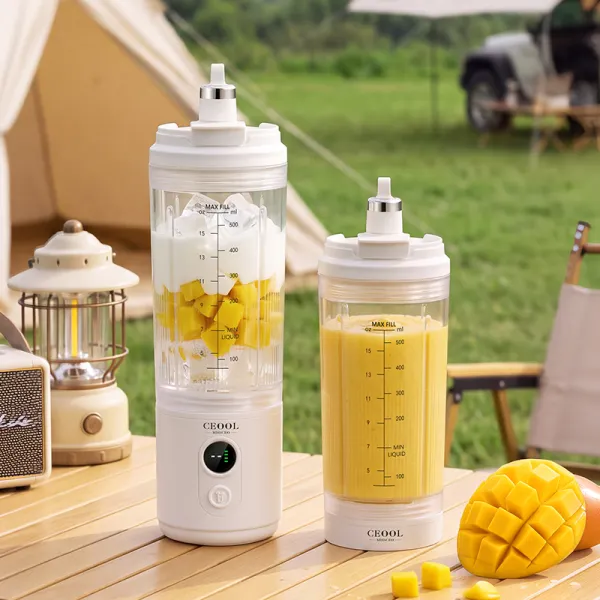
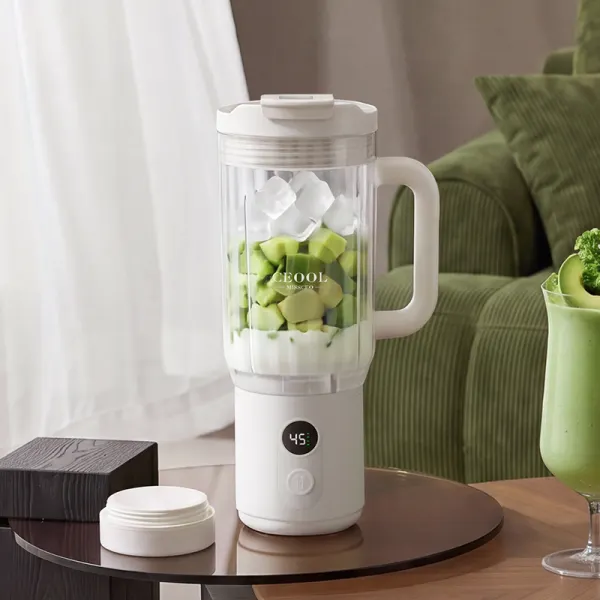
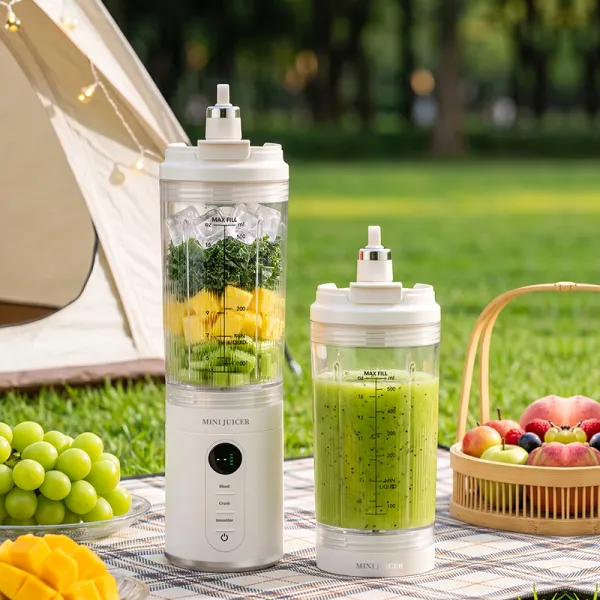
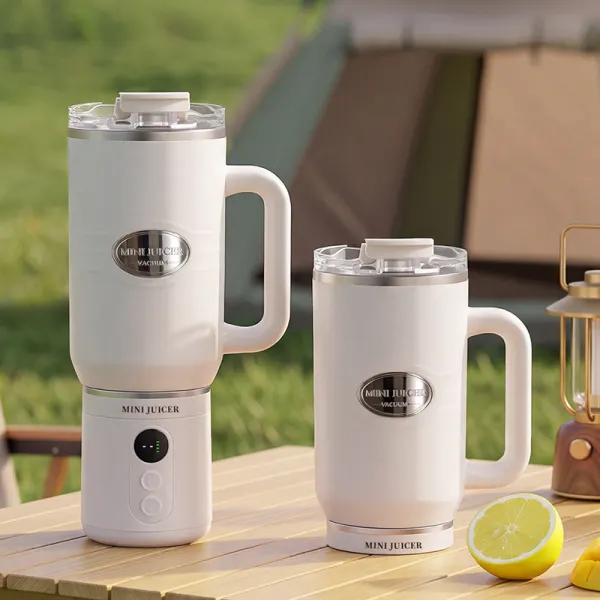
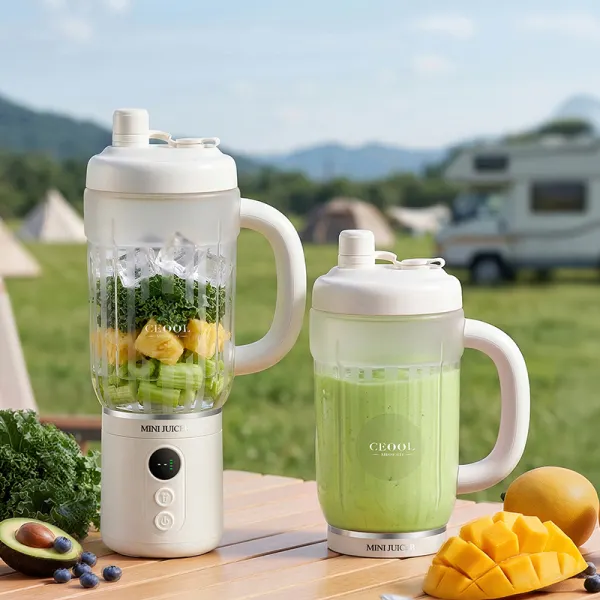
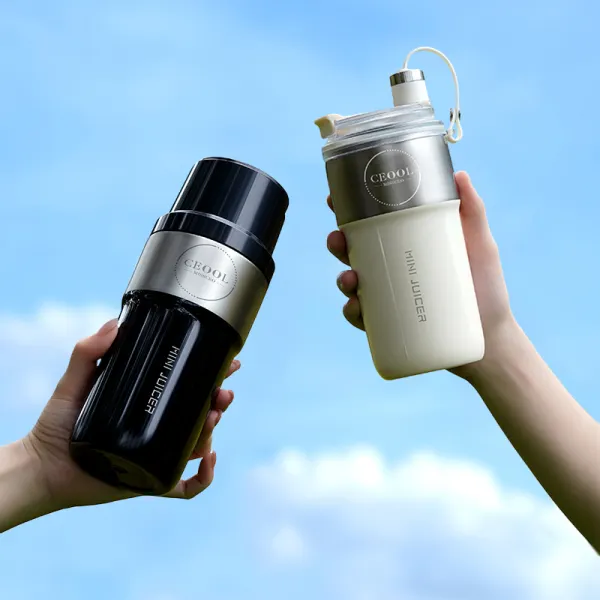
All portable blender models manufactured by CEOOL are designed for end-user battery replacement. Every model features a battery pack that users can replace themselves. For an EU-market OEM or private label project, share your preferred model, destination country, order quantity and battery requirements so the selected configuration and replacement arrangements can be reviewed together.
Explore These CEOOL Portable Blender Models
Click a product image or model number to view its product page.
What Does Battery Replaceability Mean for Portable Blenders?
A removable cup or detachable motor unit does not, by itself, demonstrate that the battery is user-replaceable. Buyers should assess the battery-access and replacement procedure separately.
For portable batteries, the requirement concerns the complete battery or battery pack, rather than requiring consumers to replace individual cells inside the pack. The Commission’s guidance explains that replacement should avoid damage and preserve the appliance’s function, performance and safety. [European Commission guidance, Section 2]
Ask the supplier to demonstrate the procedure on the same configuration intended for your order. Check the opening method, connector, fastening arrangement and reassembly steps, rather than relying only on a description such as “detachable design”.
What Should Buyers Confirm Before Placing an OEM Order?
Include battery replacement in sample approval and the purchasing specification. The following checks turn a general design claim into a practical sourcing discussion.
| Purchasing check | What to confirm |
|---|---|
| Replacement procedure | Ask for a demonstration covering battery access, disconnection, installation and reassembly. |
| Tools and instructions | Confirm the tools required and the user instructions and safety information supplied with the product. |
| Compatible replacement pack | Record voltage, cell arrangement, connector, pack dimensions and protection requirements. |
| Performance after replacement | Include charging, blending, fastening and relevant sealing checks in the sample evaluation. |
| Spare-battery supply | Agree on compatible pack identification, ordering arrangements, pricing and the support period. |
| Order consistency | Ensure the approved sample, instructions and production specification describe the same configuration. |
Article 11 also addresses permitted tools, accessible replacement instructions, compatible batteries and spare-parts availability. Its minimum five-year spare-battery period runs from when the last unit of the equipment model is placed on the market. Buyers should agree how their supply arrangements will support these obligations. [Article 11(1) and (6)–(8)]
Does an IPX5 Rating Exempt a Blender from the Requirements?
An IP rating alone does not establish an exemption. The Commission’s guidance requires a wider assessment of wet-environment use, safety and the possibility of redesign. Buyers should therefore check any claimed exception against the actual product and supporting information. A rinse-cleaning feature is not sufficient evidence on its own. [European Commission guidance, Section 3.2.1]
Compare the Complete Battery Configuration
When comparing portable blender suppliers, do not compare mAh figures alone. Capacity must be considered together with voltage, the number of cells, the motor and the complete pack design.
For CEOOL projects, buyers can discuss cell-capacity options including 1300mAh, 1500mAh, 1800mAh and 2000mAh. DP-series projects can also be reviewed for an optional 11.1V, three-cell configuration. These are configuration discussions, not interchangeable batteries for an existing unit. Confirm the selected combination during quotation and sample approval.
Samples and OEM Enquiries
Existing standard-configuration samples generally take 3–7 days, excluding international shipping. Production generally takes 20–30 days after order, sample and artwork approval and receipt of the deposit. Customised samples and configurations follow the agreed project schedule.
Start by comparing our portable blender models, review our OEM and ODM services, or contact CEOOL to discuss samples and a quotation.
Battery replaceability is one part of preparing a product for the EU market. Review the complete selected configuration and its applicable requirements before launch.